

Disclosure: This page contains affiliate links, meaning, at no additional cost to you, we may earn a commission if you click through and make a purchase.
Male pattern hair loss affects more than 50 million men in the United States, making it one of the most common concerns men face as they age. While hair loss has long been considered an inevitable part of getting older, modern medicine has developed effective treatments that can slow, stop, or even reverse thinning hair for many men.
Understanding what causes hair loss and which treatments actually work can help you make informed decisions about addressing this condition before it progresses too far.

What Causes Male Pattern Baldness?
Male pattern hair loss, medically known as androgenetic alopecia, is primarily driven by genetics and hormones. The condition occurs when hair follicles become sensitive to dihydrotestosterone (DHT), a hormone derived from testosterone. DHT causes hair follicles to shrink over time, producing thinner, shorter strands until eventually the follicles stop producing visible hair altogether.
"The earlier you catch hair loss and begin treatment, the better your results will be," explains Dr. Geeta Yadav, a board-certified dermatologist. "Once a follicle is completely dormant, it's much harder to reactivate it. That's why I encourage men to consider treatment as soon as they notice changes in their hairline or crown."
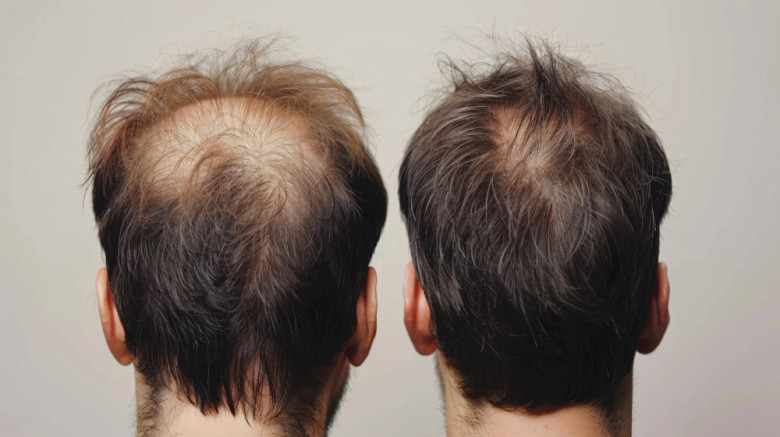
The pattern typically starts with a receding hairline at the temples, followed by thinning at the crown. Over time, these areas may meet, leaving hair only on the sides and back of the head. While genes from both parents play a role, the condition isn't as simple as looking at your maternal grandfather's hairline. Multiple genetic factors contribute to whether and when you'll experience hair loss.
What Actually Works: Evidence-Based Treatments
Not all hair loss products deliver on their promises, but two FDA-approved medications have strong clinical backing: minoxidil and finasteride.
Minoxidil is a topical treatment available over the counter. Applied directly to the scalp, it works by prolonging the growth phase of hair follicles and increasing blood flow to the area. Most men who use minoxidil consistently see reduced hair loss, and many experience regrowth. The treatment comes in various strengths, with 5% formulations showing better results than 2% versions in clinical studies.
Finasteride is an oral prescription medication that blocks the conversion of testosterone to DHT. By reducing DHT levels in the scalp, finasteride can significantly slow or stop hair loss for the majority of men who take it. Clinical trials have shown that approximately 90% of men taking finasteride either maintain their hair or see regrowth after consistent use.
"Combination therapy often produces the best results," notes Dr. Bradley Glodny, a board-certified dermatologist. "Using both minoxidil and finasteride together addresses hair loss through different mechanisms, which can be more effective than relying on a single treatment."
The Telehealth Advantage
One of the biggest barriers men face when addressing hair loss is simply getting started. Traditional doctor visits require scheduling appointments weeks in advance, taking time off work, and discussing personal concerns in a clinical setting.
Online telehealth platforms have eliminated many of these obstacles. Services now allow men to complete confidential medical consultations from home, receive prescriptions when appropriate, and have treatments delivered discreetly to their door. The convenience factor has made it easier for men to take action before hair loss becomes more advanced.
These platforms typically offer personalized treatment plans that may include prescription-strength medications, over-the-counter solutions, and specialized shampoos and supplements. Licensed healthcare providers review each case individually, ensuring treatments are appropriate for each person's specific situation and medical history.
Beyond Medication: Supporting Hair Health
While prescription treatments address the hormonal causes of hair loss, overall hair health matters too. Nutritional deficiencies can contribute to excessive shedding or slow growth, particularly deficiencies in iron, vitamin D, biotin, and zinc.
Stress management also plays a role. Chronic stress can push hair follicles into a resting phase prematurely, leading to increased shedding several months later. Regular exercise, adequate sleep, and stress-reduction techniques can support your overall wellness and, by extension, your hair health.
Gentle hair care practices matter as well. Avoid harsh styling products, excessive heat, and tight hairstyles that pull on hair follicles. Use a wide-toothed comb when hair is wet, and consider shampoos formulated to support scalp health.
When to Start Treatment
The straightforward answer: as soon as you notice changes. Hair loss is progressive, and waiting to see if it gets worse usually means more follicles will stop producing hair permanently.
"I see many men in their late 30s and 40s who wish they had started treatment when they first noticed their hairline changing in their 20s," says Dr. Yadav. "Early intervention preserves more of what you have and makes regrowth more likely."
That said, hair loss treatments require commitment. Results typically take three to six months to become noticeable, and stopping treatment usually means losing any gains you've made. This is a long-term approach to maintaining your hair, not a quick fix.
Setting Realistic Expectations
Hair loss treatments work best for maintaining existing hair and stimulating regrowth in areas that have recently thinned. If you've been completely bald in an area for many years, medication alone is unlikely to restore a full head of hair in that spot.
The goal for most men using these treatments is to keep the hair they have and potentially fill in areas that have started to thin. For more advanced hair loss, surgical options like hair transplants may be worth discussing with a specialist, though medication can still play a role in protecting transplanted hair and maintaining non-transplanted areas.
Taking the First Step
Addressing hair loss doesn't require dramatic lifestyle changes or risky procedures. Modern treatment options are safe, effective, and more accessible than ever. Whether you're just noticing the first signs of thinning or you've been considering treatment for a while, online consultations make it easy to explore your options and get professional guidance.
The most important step is simply getting started. Hair loss is easier to slow down than it is to reverse, so taking action sooner rather than later gives you the best chance of maintaining a fuller head of hair for years to come.