

Disclosure: This page contains affiliate links, meaning, at no additional cost to you, we may earn a commission if you click through and make a purchase.
Walk into any gym and you'll see people squatting in running shoes, doing box jumps in basketball sneakers, and attempting rope climbs in whatever they wore to work. Most people don't think twice about their gym footwear. If it fits and looks decent, it works, right?
That assumption costs you performance and increases injury risk. The shoes that work perfectly for a 5K run actively undermine your ability to lift heavy, maintain stability during dynamic movements, or survive the abrasion of rope climbs and wall work.

The Functional Fitness Footwear Problem
CrossFit and functional fitness training created a challenge that traditional athletic shoes weren't designed to solve. A single workout might combine heavy back squats, a 400-meter run, box jumps, rope climbs, and kettlebell swings. No existing shoe category handled this combination effectively.
Running shoes have thick, compressible midsoles designed to absorb impact. That cushioning becomes a liability when you're catching a barbell overhead or standing up from a heavy squat. The platform shifts and compresses under load, forcing compensatory movements that waste energy and increase injury risk. Wearing running shoes for serious lifting is like trying to build a house on sand.
Conversely, dedicated lifting shoes with their rigid, flat soles make running portions miserable. Basketball shoes optimize for lateral movement on hardwood, not the diverse demands of functional fitness. Traditional cross-trainers designed for aerobics classes fall somewhere unsatisfyingly in the middle.
This wasn't just inconvenient. It created genuine safety issues. Unstable platforms during heavy lifts increase injury risk. Inadequate grip causes slipping during explosive movements. Weak upper materials fail during rope climbs, leaving you with shredded shoes and potentially injured feet.
What Actually Makes Training Shoes Different
Purpose-built training shoes solve these problems through specific design choices that separate them from other athletic footwear.
Platform stability comes first. Training shoes use firmer midsole materials and lower stack heights, typically keeping total sole thickness well under an inch. The heel-to-toe drop stays at 4mm or less, compared to the 8-12mm common in running shoes. This flatter profile enables better weight distribution during lifts while providing just enough cushioning for box jumps and short runs.
Upper durability separates legitimate training shoes from pretenders. Rope climbs destroy ordinary shoe materials within weeks. Wall-facing handstand pushups grind fabric against rough surfaces repeatedly. Burpees scrape toes across floors thousands of times. Training shoes need materials that resist this abuse while remaining breathable enough for intense metabolic work.
The solution came from an unexpected source. SuperFabric, originally developed for industrial and military applications, consists of tiny armor plates woven into fabric. The result resists cuts, tears, and abrasion while remaining surprisingly flexible. Traditional mesh uppers might survive a few rope climbs before showing damage. SuperFabric uppers can handle hundreds with minimal wear.
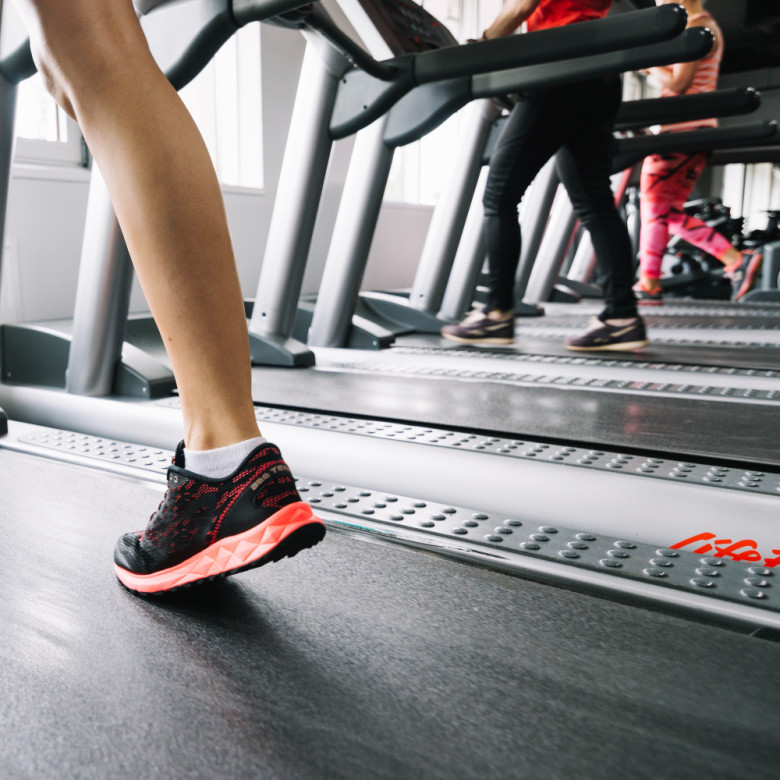
Traction engineering matters more than most people realize. Training shoes need omnidirectional grip that prevents slipping during dynamic movements without creating so much friction that it impedes rotational movements. The outsole must work on rubber gym flooring, concrete, and occasionally outdoor surfaces. Circular or multidirectional lug patterns provide consistent grip regardless of foot orientation.
The Minimalist Philosophy
While major brands initially approached functional fitness footwear by adding features and technology, a different philosophy emerged from practitioners who actually trained intensely. This minimalist approach rejected unnecessary complexity in favor of simple, durable designs that performed consistently.
The core insight: your feet are sophisticated structures that function best when allowed to work naturally. Modern footwear had progressively added more cushioning and support under the assumption that more technology equals better performance. But this approach weakened foot muscles and altered natural movement patterns in problematic ways.
Minimalist training shoes strip away unnecessary elements. Low stack heights keep your foot close to the ground, improving proprioception and balance. Firmer midsoles provide stable platforms without excessive compression. Minimal heel-to-toe drops don't artificially alter your posture. Wider toe boxes allow natural toe splay, improving stability and power generation.
This doesn't mean barefoot training. It means using just enough structure to provide protection and durability while avoiding the overengineering that undermines natural foot function. You can actually feel the floor through quality training shoes. When you squat, you sense your weight distribution across your entire foot rather than the sensation being filtered through inches of foam.
Matching Shoes to Your Training
Not all training is equal, and shoe needs vary significantly based on your specific focus.
Strength-focused training demands maximal stability and minimal cushioning. If your workouts center on barbell movements and progressive overload with heavy weights, prioritize the flattest platforms and firmest midsoles available. Even small amounts of compression become magnified when handling hundreds of pounds.
CrossFit-style training requires the most balanced footwear since workouts combine heavy lifting with high-intensity cardio, plyometrics, and gymnastics movements. You need enough stability for moderately heavy lifts while maintaining adequate cushioning for box jumps and short runs. This is where truly versatile training shoes shine, accepting that they won't be quite as good for pure lifting or pure running as specialized options.
HIIT and circuit training emphasizes dynamic movements and quick transitions rather than heavy loading. You can benefit from slightly more cushioning since you're not handling maximal weights that require ultra-stable platforms. Responsiveness and grip during rapid movements take priority.
The trap many people fall into is trying to make one shoe serve contexts it wasn't designed for. Using training shoes for long runs creates unnecessary foot strain. Using running shoes for heavy lifting creates dangerous instability. Better to acknowledge the limitations and either accept them or invest in multiple specialized options.
The Durability Economics
Training shoes represent a significant upfront investment, typically $130-150. But durability analysis reveals they often cost less per workout than cheaper alternatives.
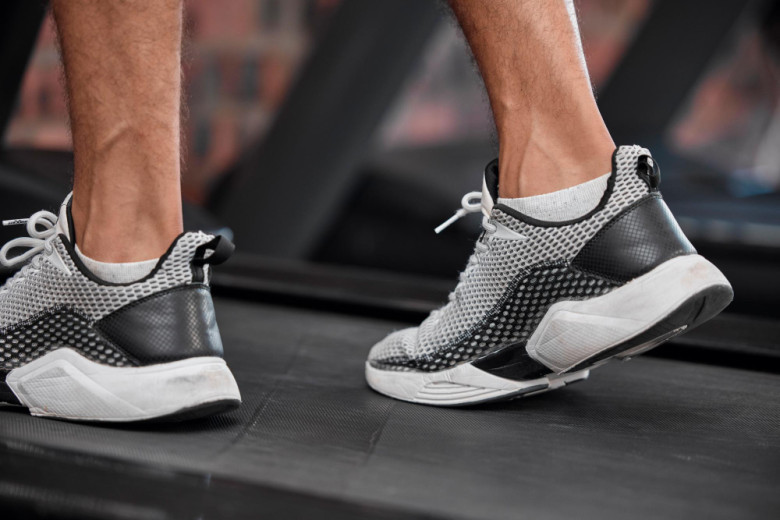
Budget cross-trainers might last 4-6 months under serious use before materials fail. At $70 per pair, that's $140-210 annually. Quality training shoes with durable construction regularly survive 18-24 months of similar use, sometimes multiple years. At $140 per pair, that's $70-95 annually, substantially less than replacing cheaper shoes frequently.
Beyond economics, frequent replacement disrupts training. Break-in periods force adjustment to new footwear. You lose the familiarity and confidence from well-worn shoes that fit perfectly. Each replacement requires research, ordering, and hoping the new version fits as well.
High-quality training shoes also work for casual wear, running errands, or light activities. This versatility means you're not just buying gym shoes but all-purpose athletic footwear that justifies the investment through broader utility.
Making the Investment
Selecting training shoes requires honest assessment of your training priorities and foot characteristics. Start by identifying your primary training focus. If 80 percent of your training involves barbell work, prioritize stability even if it means sacrificing some versatility. If your training emphasizes circuits with minimal heavy loading, you can benefit from slightly more cushioning.
Consider your injury history. Pre-existing foot, ankle, or knee issues might require accommodations that minimalist training shoes don't provide. Don't let trends override legitimate medical needs.
Test fit during actual movement whenever possible. Try squatting movements. Do some jumping. Test the toe box width by attempting to spread your toes. What feels comfortable walking often reveals problems during athletic movements.
The Bottom Line
Understanding that your workouts deserve purpose-built footwear represents a broader shift in how you approach training. It's recognizing that details matter, that proper equipment enables better performance, and that quality pays dividends in results and longevity.
The shoes you wear affect every training session. They influence your lift stability, movement confidence, energy efficiency, and injury risk. Using appropriate footwear removes one variable that could limit your progress.
Your feet are your foundation for every athletic movement. They deserve footwear engineered for what you're actually asking them to do. The functional fitness revolution has driven genuine innovation in athletic footwear, producing options that didn't exist a decade ago. Taking advantage of these developments isn't optional if you're serious about training.